

Most people start shopping for security cameras by comparing camera specs. The camera matters, but on Long Island the bigger difference between a system you rely on and one you stop checking is the installation: where the cameras go, how they are wired, what they record to, and whether the footage is usable when you need it.
Here is what a good security camera installation should include, whether it is a two-camera setup for a home in Bellmore or a 30-camera system for a warehouse in Hauppauge.
1. A site walk before anyone quotes a price
A camera quote done over the phone is a guess. A proper installer walks the property and asks what you are actually trying to see: faces at the front door, plates in the driveway, the register, the loading dock, the side gate that never gets locked.
On the walk, expect your installer to look at:
- Lighting at night. Street lights, motion lights and headlights all change what a camera can see after dark.
- Distance and angle. A camera that covers the whole driveway usually cannot identify a face at the end of it. Some spots need two cameras: one for overview, one for detail.
- Mounting surfaces. Vinyl siding, brick, stucco and soffits each need different hardware to stay sealed and straight.
- Where the recorder and network live. Basement, closet or IT room, with power and an internet connection.
2. Wired cameras wherever it is practical
Wireless cameras are easy to sell and easy to install, but they depend on Wi-Fi strength and batteries. For most homes and nearly every business we recommend wired PoE (Power over Ethernet) cameras: one cable carries power and video, there are no batteries to charge, and recording does not drop when the Wi-Fi gets busy.
Wireless still has its place, such as a detached garage or a dock where running cable is not realistic, and a good installer will tell you where it makes sense.
3. A recorder sized for how long you need to keep footage
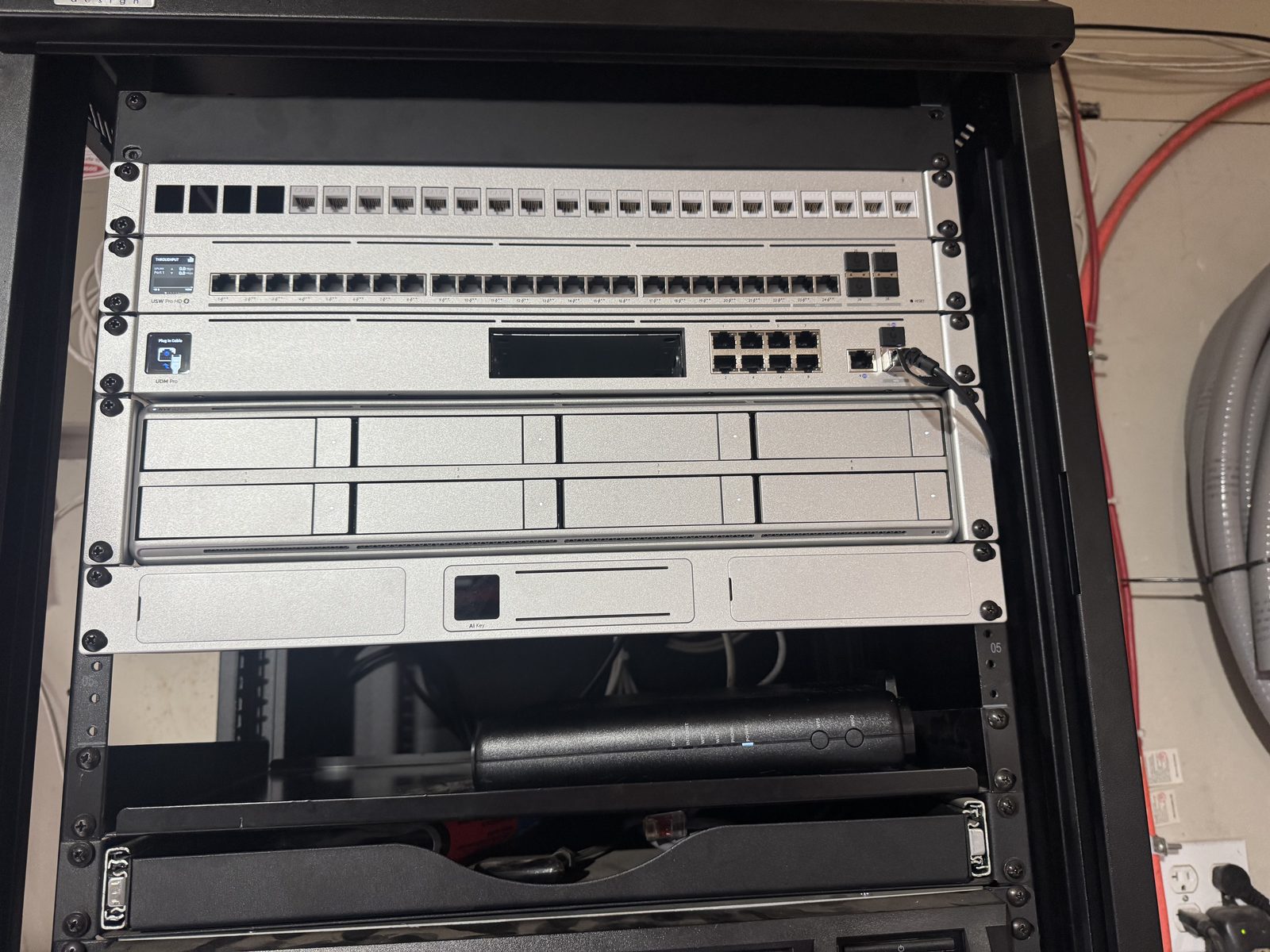
Cameras record to an NVR (network video recorder) on site, to the cloud, or both. The questions that matter:
- How many days of footage do you need? Homes often want two to four weeks. Businesses may need more, especially when incidents get reported late.
- Continuous or motion recording? Continuous uses more storage but never misses the moment before motion starts.
- Is the recorder protected? It should sit somewhere a burglar cannot easily grab it, ideally on a battery backup.
4. Camera quality that matches the job
4K is not always the answer. Higher resolution helps when you need detail across a wide area, but good low-light performance, wide dynamic range (for doorways with bright sun behind them) and proper lens choice often matter more. As a Hanwha Vision partner, CWC installs commercial-grade cameras built for this, and for businesses and government work we offer NDAA-compliant options.
5. Phone viewing set up before the installer leaves
You should leave the install with the app on your phone, live view working, playback tested, and notifications tuned so you are not getting an alert every time a car drives by. If other people in your home or business need access, those accounts should be set up too, with the right permissions.
6. Someone to call afterward
Cameras get knocked out of position, hard drives eventually wear out, and apps update. Ask who services the system after installation and how fast they respond. CWC’s CCTV Care and RedLine service plans cover that ongoing support.
Cameras work best with the rest of your security
Cameras show you what happened. An alarm system with 24/7 monitoring gets help on the way while it is happening, and access control decides who gets in to begin with. Many of our customers tie all three together on one app.
Learn more about our security camera installation for homes and our commercial CCTV systems for businesses across Nassau and Suffolk County.
Ready to talk it through? Call CWC Security at 516-889-3600 or book a free on-site security assessment. We serve homes and businesses across Nassau and Suffolk County.